


The world's first laser illuminator was developed in the United States in the 1960s. However, for a long time, only low-energy laser weapons, such as the laser rangefinders used on tanks, were used on the battlefield. During the 1982 Falklands War, laser blinding weapons aboard British warships caused several Argentinian aircraft to lose control and crash or stray into British anti-aircraft fire. High-energy laser weapons, however, remained in the laboratory for a long time due to technical limitations. However, with the development of high-energy laser weapons, "Light Blade" has now moved from the laboratory to the battlefield, being used in multiple conflict zones, including the Middle East and the Russia-Ukraine conflict.
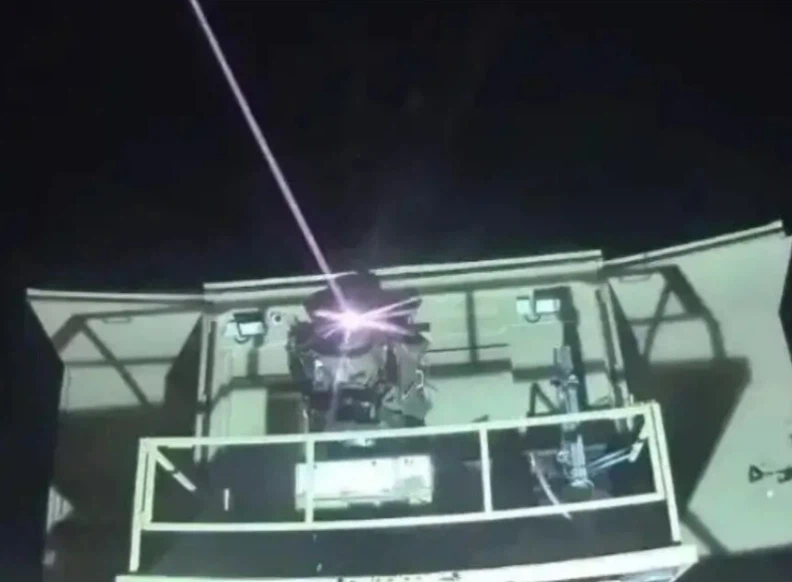
Pictured: Israel's "Iron Beam" laser weapon.
In May of this year, the Israeli Air Force, Ministry of Defense, and Rafael Advanced Defense Systems issued a joint statement announcing the use of the "Iron Beam" laserduring Operation Iron Sword. Theintercepted dozens of rockets and drones. This marked the first time Israel publicly acknowledged the use of laser weapons on the battlefield. The core of the "Iron Beam" system is a 100-kilowatt fiber laser, mounted on a mobile vehicle platform with a range of approximately 7-10 kilometers. The entire system, housed in a standard shipping container, includes a radar, a command module, and two laser launchers.
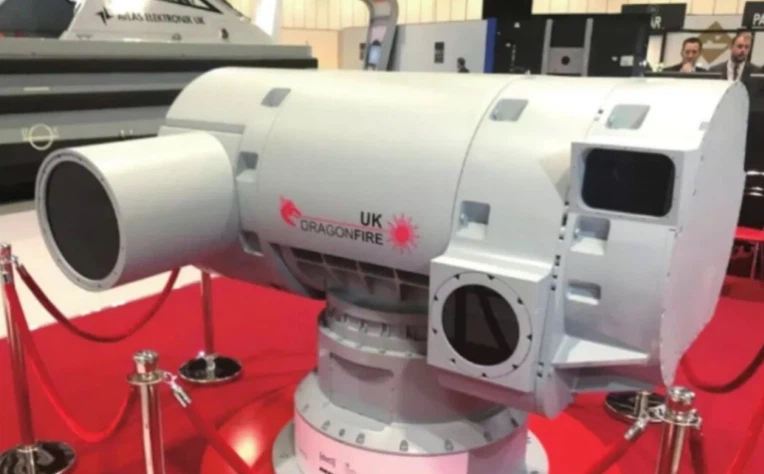
Pictured: The British "Fire Dragon" laser weapon.
During the Russia-Ukraine conflict, in March of this year, a senior Ukrainianofficer claimed that Ukraine had deployed laser weapons and was one of the first countries to successfully develop laser air defense systems. This secretive device has reportedly been used on the battlefield against low-flying targets, primarily drones. The laseris named Tryzub, meaning "trident" in Ukrainian. This symbol, which features on the Ukrainian national emblem, indicates that theis domestically produced. However, some analysts suggest that thehas technical connections to the British "Dragonfire" laser weapon. Media reports indicate that the UK had planned to ship the first samples of the "Dragonfire" laser air defense system to Ukraine. The Dragonfire laser air defense system was originally developed in 2018 by several British companies-MBDA UK, Leonardo Ltd., and QinetiQ. Its laser system has a power exceeding 50 kilowatts and is still undergoing testing.
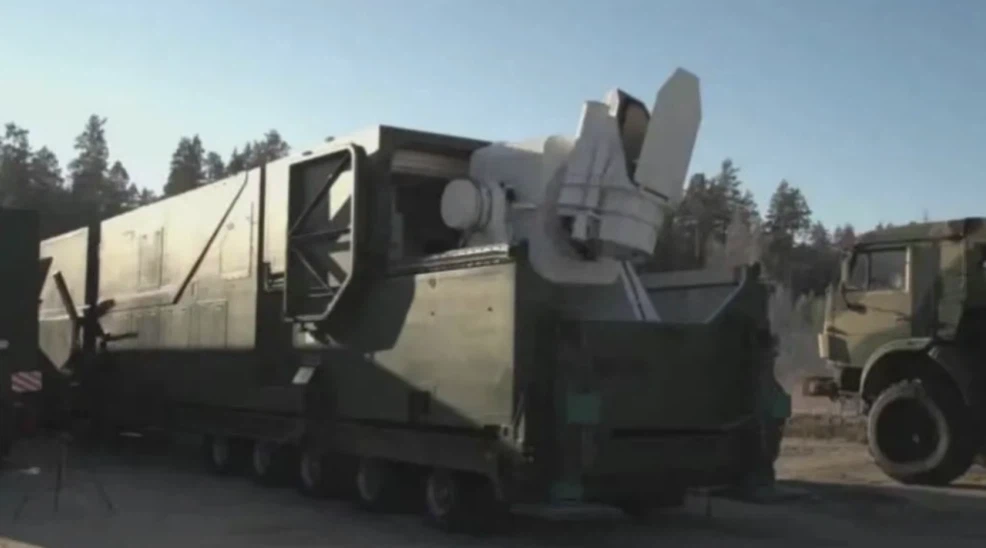
Pictured: Russia's Provocateurlaser system.
Russia has also deployed laser weapons in the Russia-Ukraine conflict. As early as May 2022, Russian Deputy Prime Minister Borisov stated that the Russiandeployed the new generation of the Provocateurlaser system in special operations in Ukraine. Borisov stated that the existing Peresvet laser system can blind enemy equipment, while the more powerful new generation laser system can "burn" enemy equipment based on the principle of thermal destruction. The deployment of this laser system will reduceconsumption in the Pantsir and Tor air defense systems. The Russian Deputy Prime Minister previously stated that Russia has tested a laser system capable of destroying drones in five seconds and with a range of five kilometers.


