


The solder joints of FPC liner are small, and now this soldering process is called precision soldering. The traditional soldering method is usually manual soldering or automatic soldering machine, but the speed, process and quality of both are very different from the laser soldering process. The quality of welding is related to the quality of the product. Next, let's compare the difference between manual welding and laser welding.
Hand Soldering
1. Before pasting and aligning the FPC and PCB board, check the smoothness and oxidation of the PCB pads. Peel off the FPC double-sided tape and paste it on top of the PCB gold fingerboard. Please note that after pasting, the PCB pads must leak about 1.0 mm of wire pins.
2. Solder: The reference time is 1-2 seconds and must be soldered according to the white marking line on top of the FPC. (Solder reference time 1-2S) Mainly control the time and position of tin feeding and drag welding:
The four main control points for feeding tin drag welding:
Time: it is generally recommended that the drag welding time is calculated according to the length of the soldering iron head 3S, about 4 to 10S.
Temperature: two hundred and ninety degrees to three hundred and ten degrees.
Feed tin position: the best position to feed tin in the tip of the soldering iron below the position, the position is biased towards the pad.
Force: the soldering iron tip and the workpiece contact strength: the soldering iron tip and the workpiece contact exert a little pressure, the principle is not to cause damage to the FPC gold finger.
3. Self-inspection after welding: 45-degree angle observation. After welding, you must spend 1-2 seconds self-checking to see if there are defects such as false welds, continuous welds or deviations.
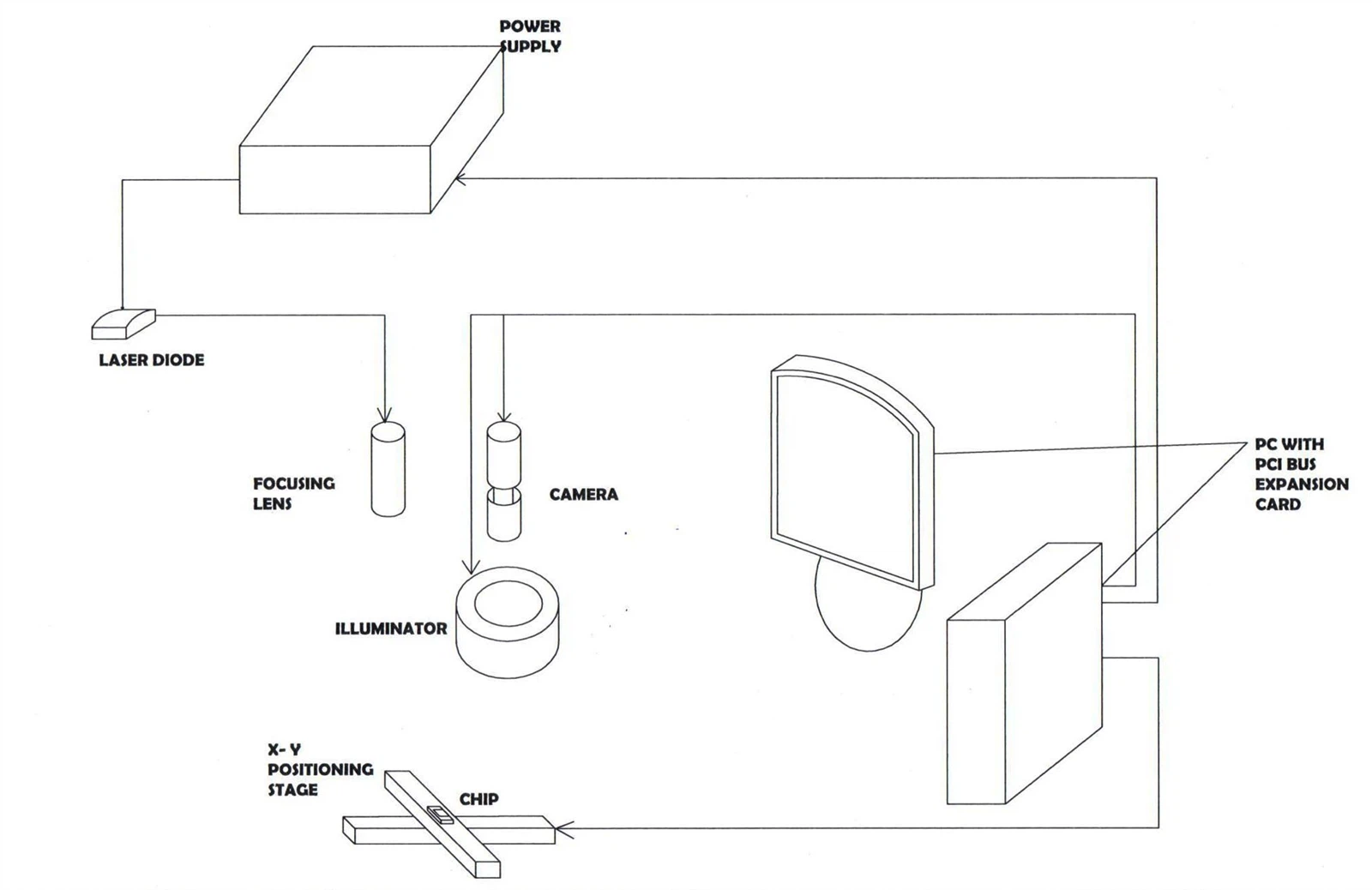
Laser soldering process:
1. The brazing ball automatically rolls at the nozzle and the nozzle catches the unmelted brazing ball.
2. The nozzle starts to fill with nitrogen gas.
3. When the nitrogen pressure reaches the pre-set value. The laser irradiation starts and the melting process of the brazing ball begins.
4. The brazing ball melts and is ejected under the pressure of nitrogen.
5. The brazing ball touches the pad and forms a bump, and the pad does not need to be preheated.


